


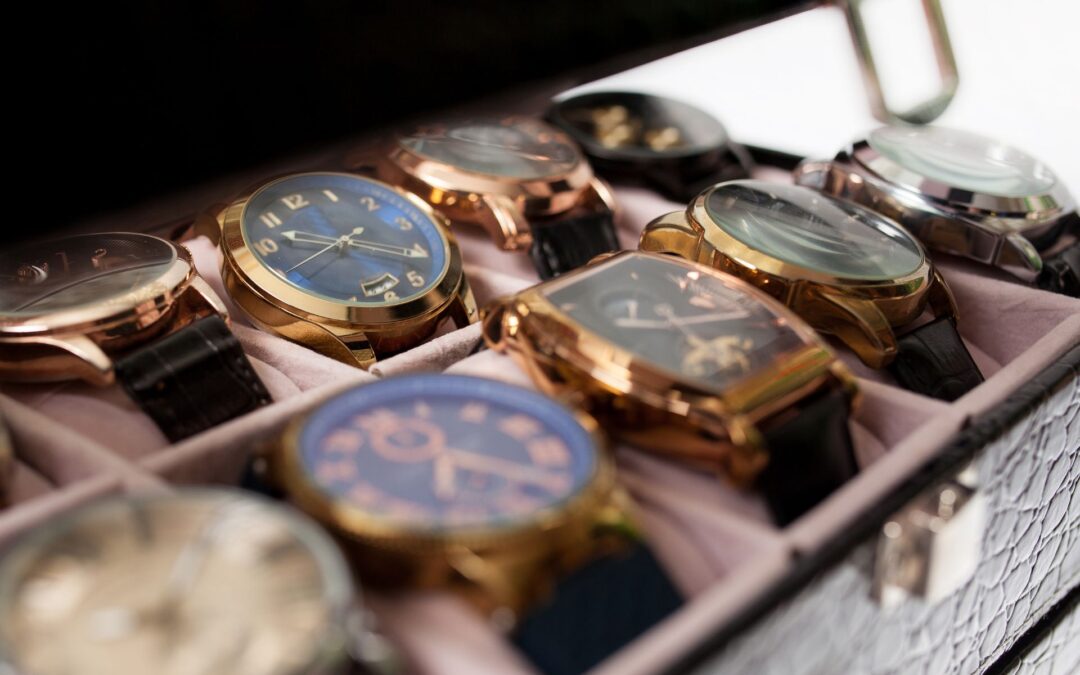
Why Swatch watches are so popular with collectors comes down to one thing most other watch brands never quite managed. Swatch turned buying a watch into something fun. A plastic watch that cost less than a round of drinks became a serious collecting category, and it happened because Swatch never took itself too seriously while everyone else in the Swiss watch industry was panicking.
It Started as a Watch Built to Save an Industry
1938. That’s when Swatch launched, right in the middle of what the trade still calls the quartz crisis. Japanese quartz movements had gutted Swiss watchmaking through the 1970s, and thousands of jobs vanished with it. Nicolas Hayek’s answer was blunt. A plastic-cased quartz watch, built from a fraction of the usual parts count, cheap enough that almost anyone could own one. It worked. Swatch didn’t just survive. It helped drag the entire Swiss watch industry back from the edge.
What Made the First Collectors Take Swatch Seriously
A cheap plastic watch shouldn’t really become a collector’s item. Swatch became one anyway, and artist collaborations are the reason why. Keith Haring designed one in 1985. So did Kiki Picasso. His design is now one of the most valuable Swatches ever made, chased hard by collectors who weren’t even born when it launched. MoMA in New York put a Swatch into its permanent design collection that same decade. A watch built to be disposable doesn’t end up in a museum by accident.
Why Do People Collect Swatch Watches?
Ask five different collectors and you’ll get five different answers, but affordability shows up in most of them. You can build a genuinely interesting Swatch collection for less than the price of a single entry-level Swiss mechanical watch, and that changes how people collect. Nobody is precious about wearing a fifty pound Swatch to the beach. The designs move fast too. Thousands of models since 1983. Pop culture one year, fine art the next, sport after that. There’s always an era or a theme to chase. Nobody collecting Swatch is stuck in one narrow lane.
Limited Editions Turned Swatch Into a Genuine Collecting Category
Scarcity has been part of the Swatch playbook from very early on. Olympic tie-in editions sell out within hours. Artist and anniversary editions follow the same pattern, then quietly climb in resale value once they’re gone. Collectors trade for them, hunt auction listings, swap tips on forums, the same way people chase far pricier Swiss brands. That’s not a coincidence. Facebook groups and dedicated marketplaces built entirely around Swatch trading have been running for years now, and they’re not small.
The Range Itself Keeps Things Interesting
Swatch hasn’t stuck to one lane, and that’s kept long-term collectors from getting bored. Take the original Jelly Fish models from that first 1983 collection. Clear resin cases, movement visible underneath, and now some of the most hunted vintage pieces the brand ever made. Then there’s the Sistem51, launched in 2013. A proper mechanical automatic, 51 components, assembled almost entirely by robot. No other Swiss brand had pulled that off at anything close to the price. Scuba divers. Chronographs. Skin-thin quartz dress pieces that barely register on the wrist. Get properly into Swatch and you end up chasing a mix of eras rather than one style, because the brand keeps reinventing itself without losing what made it Swatch to begin with.
What Is the Rarest Swatch Watch?
Ask three collectors which is the rarest Swatch and you’ll get three different answers, but one name comes up more than the rest. Early artist editions from the 1980s, the Kiki Picasso piece especially, sit at the top of most lists. Barely any survived in decent condition, because nobody in 1985 thought a plastic watch was worth keeping. That’s exactly what makes the hobby interesting now. The watch nobody bothered to protect is the one everybody wants.
The MoonSwatch Brought a Whole New Generation of Collectors In
Want the clearest recent proof of Swatch’s pull? The MoonSwatch. Swatch and Omega teamed up in 2022 on a Bioceramic take on the Speedmaster, priced at a sliver of the original’s cost, and the launch turned into queues outside Swatch stores worldwide. People camped out overnight for a £207 watch. Within hours, some were reselling for several times that. It was a proper phenomenon, and it pulled in a whole wave of younger, first-time collectors who’d previously written the hobby off as something only serious money could touch.
Is the MoonSwatch a Real Swatch?
Yes. It’s manufactured by Swatch using their Bioceramic material, a mix of ceramic and bio-sourced plastic, and it runs on a proper Swatch quartz movement, not an Omega mechanical one. The Omega connection is the design and the branding rather than the internals. That distinction matters to collectors, and it’s part of what makes the whole release so interesting to follow rather than just another hyped drop.
The Community Is Half the Reason It Works
Collecting Swatch is a social hobby in a way that collecting five figure Swiss watches often isn’t. Prices low enough that people actually talk about what they own, instead of guarding it like a secret. Swap meets. Online groups built around one specific era or one specific artist. Dedicated forums where someone will happily tell you exactly what your 1985 find is worth. That kind of openness is rare in watch collecting. It’s a big part of why Swatch keeps pulling in people who never thought of themselves as watch people.
Are Swatch Watches a Good Investment?
Some are. Most aren’t. Anyone telling you every Swatch appreciates is selling you something. Limited editions, artist collaborations, anything tied to a real cultural moment like the MoonSwatch, those have a track record of climbing in value. Standard, mass-produced models mostly just sit there. Buy Swatch because you like the watches and the culture that’s grown up around them. Expect guaranteed returns and you’ll end up disappointed.
How Do I Start Collecting Swatch Watches?
Start with a design era or theme that actually appeals to you rather than chasing whatever’s trending that week. Our piece on The Best Swatch Watches to Start Your Collection is a solid next stop if you want specific models worth looking for early on, and Are Swatch Watches Worth Collecting? goes deeper into the value side of things if that’s what’s pulling you in. Fakes are more common than most new collectors expect. A plastic case is cheap to reproduce, so stick to reputable sellers or specialist Swatch marketplaces rather than the first bargain listing that pops up. Check the case back engraving. Check the movement matches what that reference should actually carry. Buy pieces you’d genuinely wear. Keep the packaging where you can. Let the collection build at its own pace rather than forcing it.
We’re not a Swatch retailer. Never have been, and The Time Vault Club won’t pretend otherwise. What we do run are live watch competitions, Swatch pieces included from time to time, so if owning one without buying it outright appeals to you, that’s where to look. Check what’s currently live and get your entry in while it’s open.