


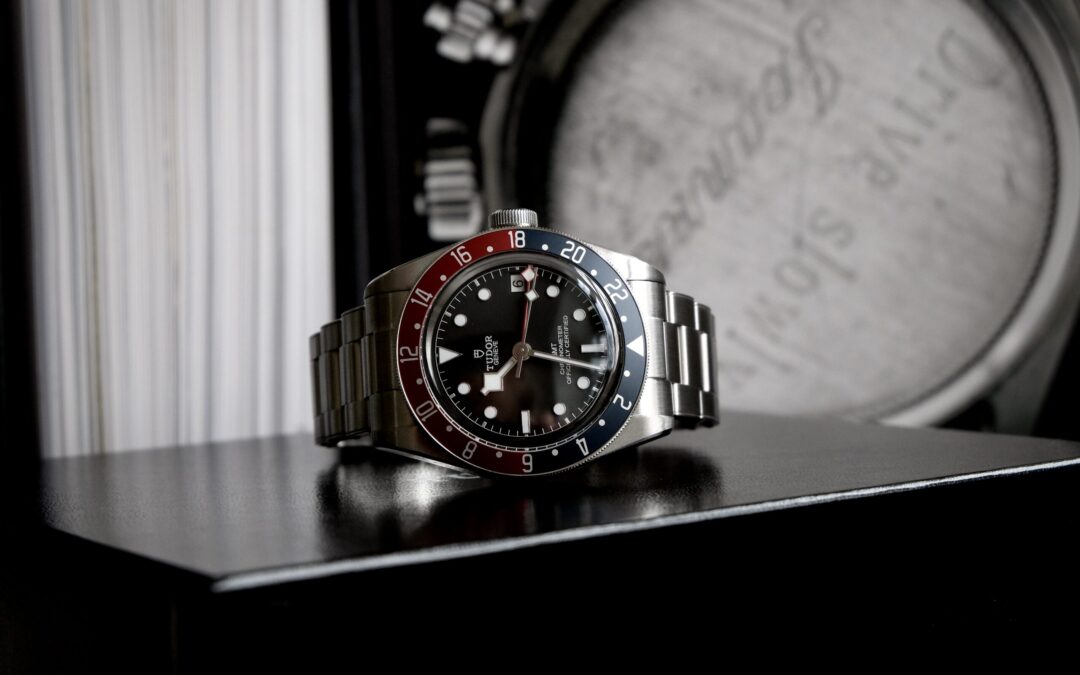
Knowing how to care for a luxury watch properly is one of the most important things any serious watch owner can learn. It does not matter whether you paid retail price, found the piece pre-owned, or won it through a competition. A mechanical watch is a precision instrument, and how you treat it in day-to-day ownership has a direct effect on how long it runs, how accurately it keeps time, and what it is worth when you eventually pass it on.
This guide covers the essentials that every watch owner should know, whether you are caring for your first serious timepiece or tightening up the habits around a collection you have been building for years.
Understand your water resistance rating
Water resistance is one of the most misunderstood specifications in watchmaking. The figure on your caseback or dial refers to static pressure tested under controlled conditions, not real-world exposure. A watch rated to 30 metres is not suitable for swimming. A watch rated to 100 metres is generally suitable for swimming but not for diving. A rating of 200 metres or above is where serious aquatic use becomes appropriate.
Beyond the rating itself, water resistance degrades over time. The gaskets that create the seal between the case and the caseback, crown, and crystal dry out and compress with age. Having those gaskets inspected and replaced during a service is an essential part of maintaining any watch you intend to wear near water.
Service your watch on schedule
A mechanical watch movement is made up of dozens of tiny components, many of them moving against each other constantly. The lubricants that reduce friction within the movement dry out over time, and without them the surfaces begin to wear. Most manufacturers recommend a full service every four to eight years, depending on the calibre, though watches worn daily will generally benefit from the shorter end of that range.
A full service involves disassembly, cleaning of every component, replacement of worn parts, fresh lubrication, and regulation to bring the movement back to its rated accuracy. It is not a cheap process, but it is far less expensive than replacing components that have worn beyond repair.
Keep a record of when your watches were last serviced. If you buy pre-owned, ask for service history and factor in the likely cost of a service if none has been done recently.
Store your watches correctly
How you store your watches matters, particularly for those worn less frequently. Keep mechanical watches away from strong magnetic fields. Consumer electronics, speaker systems, and certain bags contain magnets that can magnetise a movement and cause it to run fast or erratically. A magnetised watch is straightforward to demagnetise, but it is better to avoid the issue entirely.
Store watches in a dry environment at a stable temperature. Extremes of heat or cold affect lubricants and can cause condensation inside the case. A dedicated watch box or roll, kept away from direct sunlight, provides good basic protection.
For automatic watches that you wear irregularly, a watch winder keeps the movement wound and the lubricants distributed. Whether to use a winder is a matter of ongoing debate among collectors. The main argument against is that winders add running hours to the movement between services. The argument for is that a watch sitting completely idle is not ideal either.
Clean your watch regularly and carefully
Skin contact deposits oils, sweat, and residue on the bracelet and case of a watch over time. A regular, gentle clean keeps the watch looking its best and prevents build-up in the gaps between bracelet links. For metal bracelets and cases, a soft brush with mild soapy water works well. Dry thoroughly before storing.
Do not use abrasive cloths or chemical cleaners. Scratches accumulate quickly on polished surfaces, and the patina of a well-worn watch tells a story that can be lost very quickly with the wrong approach. Microfibre cloths are ideal for polished surfaces.
Leather straps need different treatment. Keep them away from prolonged moisture, which degrades the leather and loosens the stitching. Rotate straps regularly to let them dry between wears and replace them when they begin to show significant deterioration.
Protect the crystal
Sapphire crystal, used on most modern luxury watches, is highly scratch-resistant but not scratch-proof. Knocks against hard surfaces will chip or crack sapphire. Acrylic and mineral crystal, used on older and more affordable watches, scratch more easily but are generally more resistant to shattering on impact. Know which type you have and adjust your behaviour accordingly.
A scratched crystal can be replaced, but prevention is considerably better than repair. Be conscious of the watch on your wrist during tasks that put it at risk, and take it off during activities where hard-surface contact is likely.
Know the limits of DIY
It is tempting to open a caseback out of curiosity, or to attempt a strap change that results in the spring bar tool slipping into the case. Be cautious. Movement contamination, scratched casebacks, and damaged crowns are among the most common self-inflicted watch injuries. For anything beyond strap swaps and basic cleaning, a qualified watchmaker is worth every penny.
For further reading on movement architecture and the mechanics behind the watches you own, the Time Vault Club resources section is a useful reference for anyone building their horological knowledge.
If you are looking to add a premium timepiece to your collection, take a look at what is currently available on the competitions page. Every watch featured is curated for quality, and every prize is fulfilled with full transparency.